

No matter how strong you think your bond with your dog is, it can sometimes be difficult to fully understand what they are feeling. Because dogs do not speak like we do; they express themselves through body language.
Learning this silent language helps you understand whether your dog is happy, stressed, scared, or simply wants to play.
Here are the most basic behaviors every dog parent should know and what they mean:
1.Tail Wagging: Contrary to Popular Belief, It Does Not Always Mean Happiness

Tail wagging is usually associated with joy, but this signal can have different meanings depending on the position of the tail and the speed of the wagging:
• Fast Wagging in Wide Circles: “I’m very happy, I love you!” This is a friendly greeting signal.
• Fast Trembling in a High Position: “I’m alert, I’m paying attention.” It may indicate excitement or tension.
• Tail Lowered or Tucked Between the Legs: “I’m scared or stressed.” This is a clear sign of insecurity and the desire to avoid.
• Slight Wagging Toward the Right: According to research, wagging to the right is associated with positive emotions such as happiness, while wagging to the left is associated with negative emotions such as fear or anxiety.
2. Ears and Eyes: The Center of Calming Signals
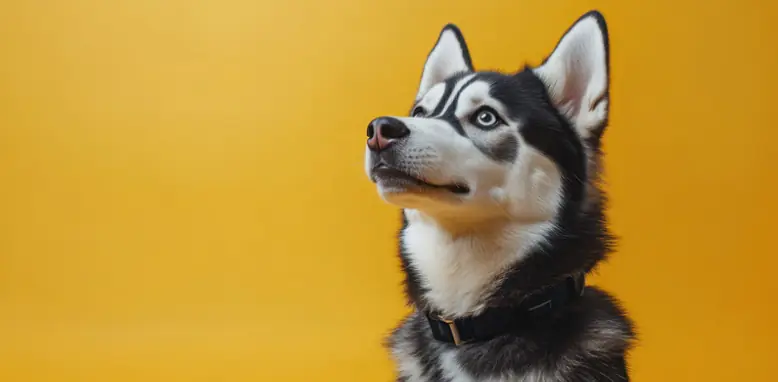
When dogs are under stress or want to calm a situation, they use “calming signals.”
👂 The Language of the Ears:
• Relaxed and Slightly Back: “I’m calm and comfortable.” This shows that your dog is peaceful.
• Forward or Upright: “I’m interested, I hear something.” This is a sign of high attention and focus.
• Pinned Back Against the Head: “I’m very scared or I’m submitting.” This shows a desire to retreat or surrender.
👀 The Language of the Eyes:
• Squinting or Looking Away: “I’m not a threat, let’s calm down.” Avoiding direct eye contact is an attempt to prevent conflict.
• Quick Lip Licking, Even When the Air Is Not Dry: “I’m stressed, I’m tense.” This is a strong sign that your dog is uncomfortable with the environment.
• “Whale Eye”: If the white part of your dog’s eye becomes visible when they slightly turn their head, it means “I’m very tense and uncomfortable.” This may be a warning sign before biting.
3. Body Position: Play, Apology, or Defense
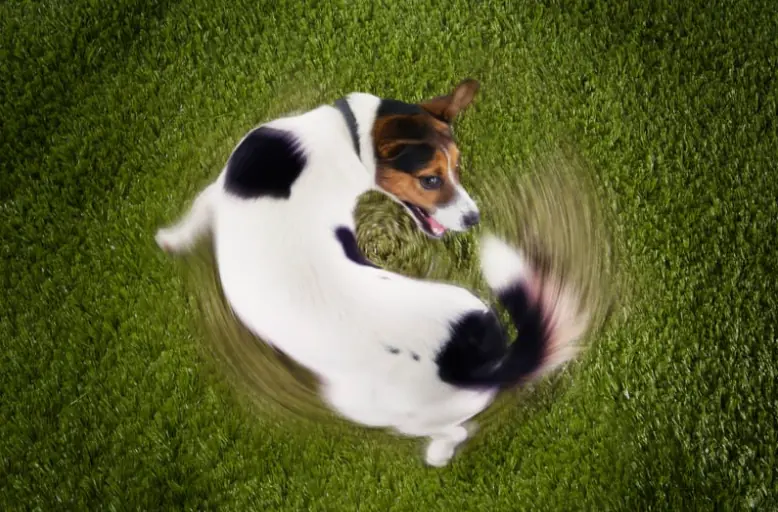
Your dog’s overall posture shows their current mood in the clearest way:
• Play Bow: Front legs lowered toward the ground, rear end raised. This is the classic way of saying, “Let’s play!”
• Lying on the Back, Showing the Belly: “I surrender, I trust you.” This may happen in a trusted environment or to end a game.
• Stretching: Stretching after waking up is normal, but stretching during a tense or stressful moment can sometimes be used as a calming signal.
• Freezing: The body becomes completely still and the muscles tense up. “I’m very worried, I don’t know what to do.” This may be a sign of serious stress or an upcoming reaction.
4. Barking and Howling: Vocal Communication
Dogs’ vocal communication also carries different meanings. The tone, duration, and frequency of the sound are important:
• Short and Rapid Barking: “Someone is coming / there is danger!” This is usually a warning or alarm signal.
• Long and High-Pitched Howling: “I’m lonely” or a desire to show belonging to a pack. Sometimes it may also be a response to another distant howl.
• Low and Continuous Growling: “I’m starting to feel uncomfortable, don’t come closer.” This is a warning before aggression and should be taken seriously.
• Short, High-Pitched, Happy Sounds: “It’s playtime / I got what I wanted!” These are sounds of excitement or demand.
Conclusion: A Holistic Perspective Is Important
Remember that focusing on just one movement of your dog can be misleading. For example, if your dog is wagging their tail while their ears are pinned back and they are licking their lips, this may mean excited tension rather than happiness.
To understand the real meaning, always evaluate all signals together: tail, ears, eyes, posture, and voice. The best way to show your love for your dog is to understand them by learning their language.
To help your dog manage stress and support positive reinforcement training, do not forget to use the most natural and healthy treats. A healthy dog is a dog that expresses itself better and feels happier.