

Jung and Dogs: Loyalty, Instinct, and the Spiritual Journey in the Collective Unconscious
Dogs have been both companions and inner mirrors for humans for thousands of years. Carl Gustav Jung, one of the founders of modern psychology, placed special importance on the bond that animals, especially dogs, form with the human psyche. According to Jung, a dog is not merely an animal; it is one of the strongest bridges humans build with their unconscious.
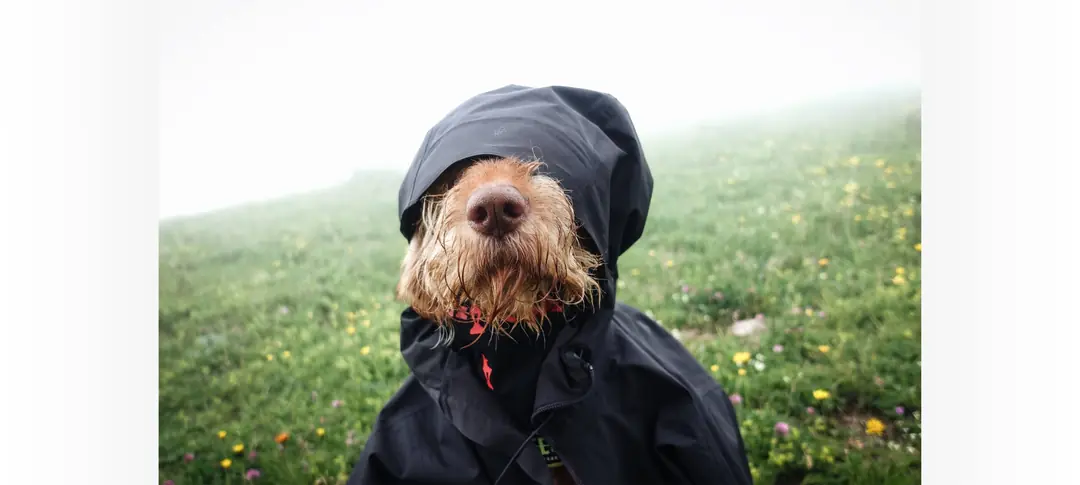
In this article, we explore Jung’s view of dogs through archetypes, loyalty, the shadow side, and the human–dog bond.
Dog Archetype: The Symbol of Loyalty and Instinct
In Jung’s theory, every being is represented as an archetype in humanity’s shared memory, known as the collective unconscious.
The dog archetype carries meanings such as:
• Loyalty and devotion• Protection and guardianship• Instinctive wisdom• Companionship and friendship• Guidance on the spiritual journey
In ancient myths, dogs guiding souls, such as Anubis, were, according to Jung, cultural proof that the dog is not only a physical being but also a guiding figure in a person’s inner journey.
Is the Dog a Doorway to the Human “Shadow”?
One of Jung’s most well-known concepts is the Shadow:
The instincts, natural impulses, and emotions that a person suppresses or refuses to accept.
Dogs are powerful symbols of this shadow side.
• The bond a dog forms with its owner is often a wordless sincerity.• A person sees their own suppressed sides in the naturalness of their dog: being spontaneous, loving, protecting, and feeling.• This is why dogs create a deep sense of trust and comfort in many people.
The dog’s “instinctive purity” soothes the complexity within the human soul.
Why Do Dogs Touch Our Souls According to Jung?
- Because they are the meeting point of instinct and consciousness
Dogs do not live purely by instinct; thanks to their long evolutionary journey with humans, they also respond to emotions.
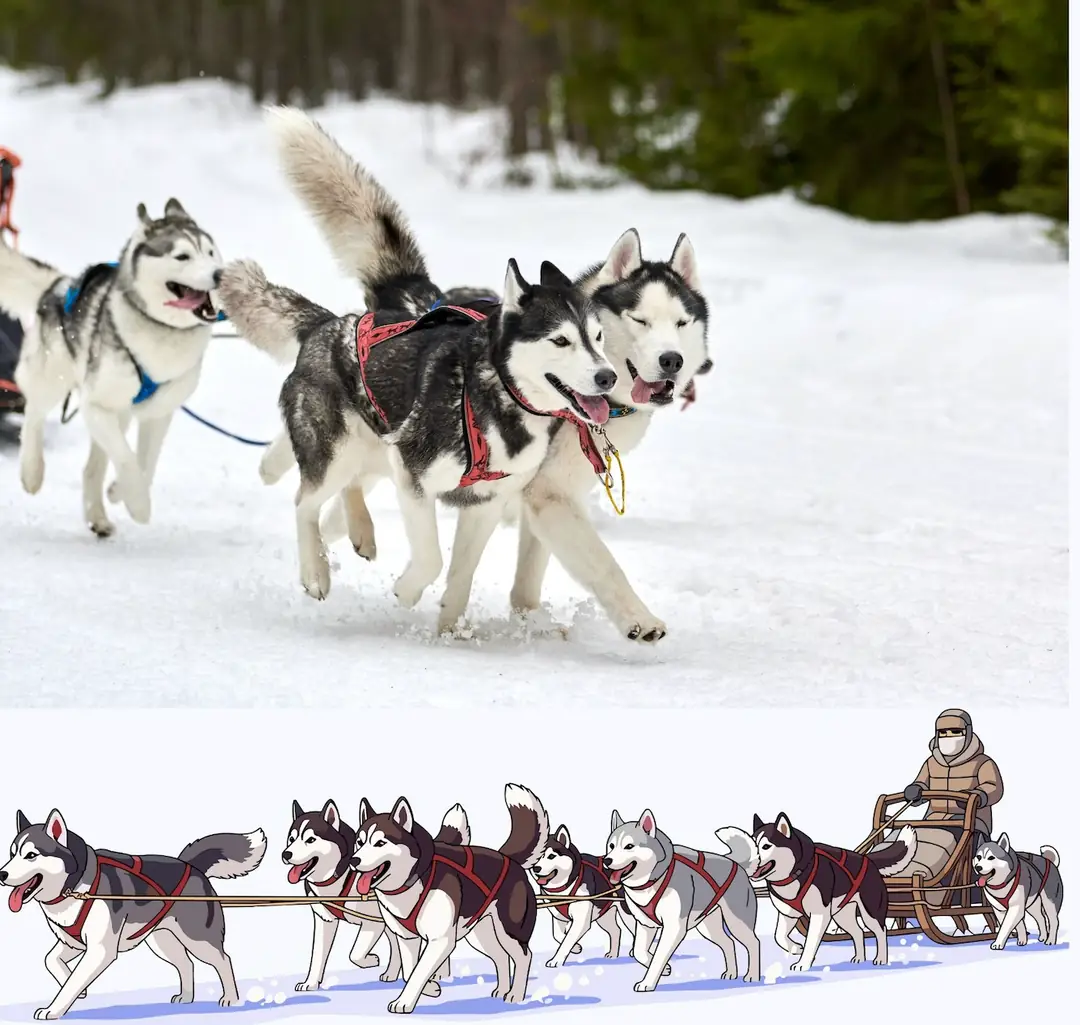
This duality—instinct and emotion—is an important element of balance in Jungian psychology
- 2. Because they are symbols of unconditional love
According to Jung, “unconditional love” is one of the highest collective pursuits of human consciousness. The dog is the living form of this pursuit.
- 3. Because they play a role in spiritual integration, or individuation
A person reaches wholeness by uniting the good and bad, intuition and reason, chaos and order within themselves.
Jung believed that a healthy bond with an animal could be transformative on this journey.
In short:
Dogs make it easier for humans to meet their most “real” selves.
How Does the Bond We Form with Dogs Affect Us According to Jung?
• It provides emotional regulationThe presence of a dog softens the archetypes of fear and loneliness within the unconscious.
• It helps us notice projectionThe thing we get angry at in a dog is often the very thing we are angry at within ourselves.
• It strengthens the feeling of belongingA dog fulfills the human need for a pack; Jung explains this through “root archetypes.”
• It helps us make peace with our own instinctsModern humans suppress their instincts; dogs remind us of them in a healthy way.
So, How Does Our Dog See Us? According to Jung…
From the perspective of the collective unconscious, Jung would interpret it this way:
• A dog sees its owner as the center of the pack.• The center is an archetypal figure that organizes life.• This figure represents both safety and guidance.
Therefore, your dog does not see you merely as an “owner.”
It sees you as the figure standing at the mythological center of its life.
That is why a dog immediately notices even the smallest change in its owner’s emotional tone.
The Place of Dogs in Our Dreams According to Jung
Jung associates dogs seen in dreams with the following symbols:
• Instinct• Loyalty• Protection and guarding• Guidance• Suppressed inner strength
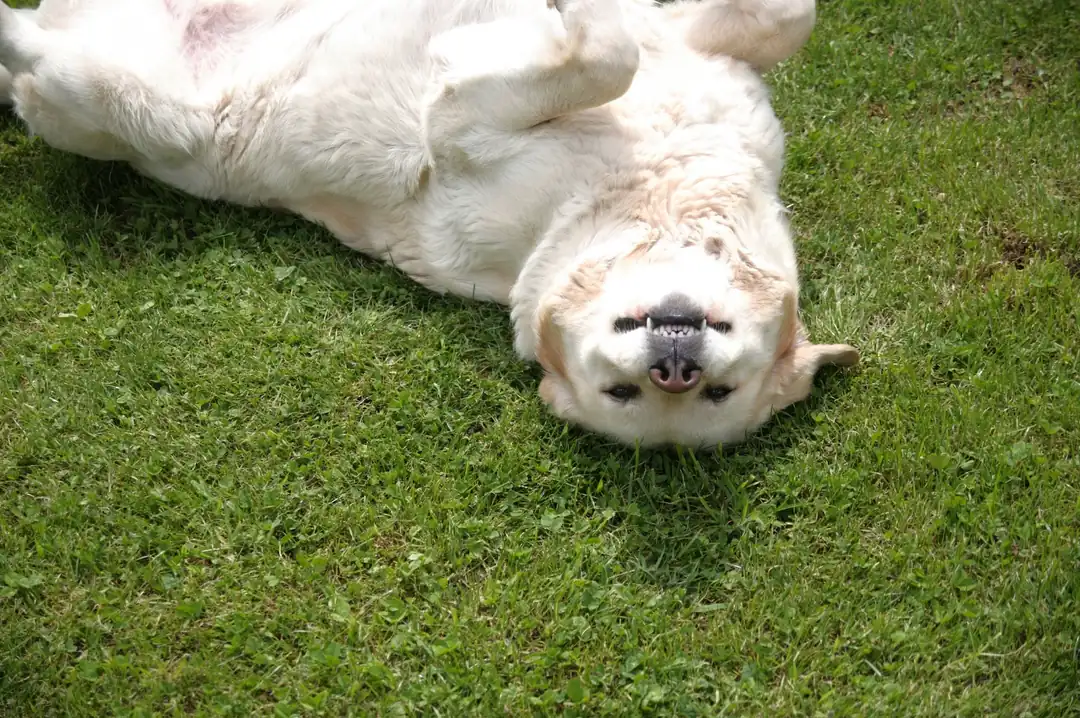
For example, seeing an aggressive dog in a dream often indicates that a person is running away from their suppressed inner anger.
Dogs and the Search for the “Self”
Jung’s concept of the “Self” represents the integrated psyche.
In our relationship with dogs, qualities such as:
• Naturalness• Innocence• Authenticity• Emotional reciprocity• Unconditional acceptance
serve as tools that make it easier to reach the Self.
This is why spending time with dogs has also been scientifically shown to calm people and help them feel balanced.
Conclusion: According to Jung, Dogs Are Guides of the Soul
Dogs are not only our beloved companions.
They are doors opening to the human unconscious, mirrors of our instinctive side, and silent companions on our spiritual journey.
Jung’s approach tells us this:
A dog walks beside us, but in truth, it carries the purest part within us back toward ourselves.